TSX tumbles as materials stocks sink, hot U.S. inflation fuels rate fears
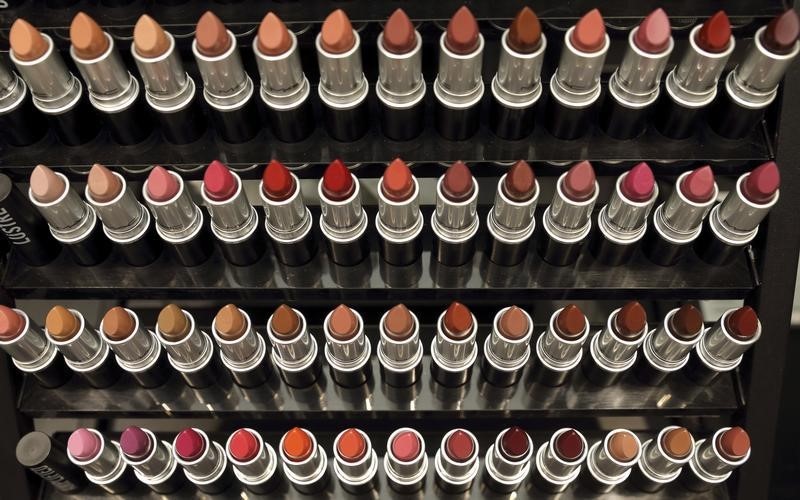
The Estée Lauder Companies Inc. (NYSE:EL) stands at a critical juncture as the prestige beauty leader attempts to execute a comprehensive turnaround strategy following a challenging multi-year period. With operations spanning over 150 countries and iconic brands including Clinique, M∙A∙C, and TOM FORD, the company generates approximately $14 billion in annual revenue. The firm’s recovery efforts center on its Profit Recovery & Growth Plan, a strategic initiative designed to generate between $800 million and $1 billion in cost savings while simultaneously rebuilding revenue through innovation and channel expansion.
Financial recovery from multi-year decline
Estée Lauder experienced a substantial earnings contraction between fiscal year 2022 and fiscal year 2025, with earnings per share declining approximately 80 percent during this period. Analysts widely regard fiscal year 2025 as the nadir of this downturn, with expectations that the company has established a foundation for recovery. Despite recent challenges, the stock has delivered a 41% return over the past year, trading at $88.32 with a market capitalization of $31.95 billion. According to InvestingPro analysis, the stock appears undervalued at current levels, suggesting potential upside as the turnaround gains traction. The dramatic earnings compression stemmed primarily from weakened demand in China and Asia travel retail sectors, two historically critical growth engines for the prestige beauty category.
The company’s fiscal first quarter of 2026 marked an inflection point, with organic sales growth returning after an extended period of contraction. This development represents a meaningful shift in trajectory, though analysts note the growth remains concentrated in specific categories rather than distributed broadly across the portfolio. Fragrance and Travel Retail segments demonstrated particular strength, with shipments in Travel Retail exceeding actual retail sales during the period. The company’s revenue base of $14.83 billion in the last twelve months provides substantial scale for the recovery efforts.
Volume trends present a more nuanced picture of the recovery. While topline sales showed improvement, volumes remained flat or declined across most product categories except Fragrance and Travel Retail. This dynamic raises questions about the sustainability of the sales growth and whether it reflects genuine demand recovery or temporary factors such as inventory restocking and promotional activity.
Geographic performance and market dynamics
The company’s geographic footprint divides into four primary regions: the Americas contributing 31 percent of sales, Europe/UK/Emerging Markets at 25 percent, Asia-Pacific including Travel Retail at 25 percent, and Mainland China representing 19 percent. Each region faces distinct market conditions that influence the overall recovery trajectory.
China, which experienced significant weakness that contributed to the company’s earnings decline, now shows signs of stabilization and potential recovery. Analysts anticipate improving trends in this critical market, though caution remains regarding the pace and consistency of the rebound. The Chinese prestige beauty market faces ongoing macroeconomic headwinds and shifting consumer preferences that create uncertainty around demand patterns.
The United States market presents a more encouraging picture, with the company gaining market share in recent periods. This performance improvement in the domestic market provides a stable foundation as international markets work through their respective challenges. The U.S. success reflects both improved execution and strategic investments in faster-growing distribution channels.
Travel Retail, historically a high-margin channel for prestige beauty brands, continues to experience volatility. While recent shipment data showed strength, the sector remains subject to fluctuations in international travel patterns and tourist spending behavior. The channel’s recovery trajectory depends heavily on broader travel industry trends and consumer confidence in international markets.
Strategic initiatives driving transformation
The Profit Recovery & Growth Plan represents the cornerstone of Estée Lauder’s transformation efforts. This comprehensive initiative targets substantial cost savings through operational efficiency improvements, organizational restructuring, and supply chain optimization. The plan allocates these savings toward reinvestment in growth-driving activities rather than flowing entirely to the bottom line.
A central element of the strategy involves diversifying distribution channels toward faster-growing platforms. The company has accelerated its presence on Amazon and entered emerging social commerce platforms such as TikTok Shop. These channels represent significant growth opportunities as beauty consumers increasingly discover and purchase products through digital and social media platforms. The shift requires different capabilities than traditional prestige retail, including content creation, influencer partnerships, and rapid response to trending products.
Innovation serves as another pillar of the recovery strategy, branded internally as "Beauty Reimagined." The initiative emphasizes developing new products that address evolving consumer preferences and expanding into adjacent categories. Analysts express some concern about portfolio breadth, noting the need for a wider range of successful products to ensure sustainable performance rather than relying on a concentrated set of hero items.
Consumer-focused spending represents the third major investment area, with increased marketing and brand-building activities designed to strengthen connections with target demographics. This spending aims to rebuild brand momentum that eroded during the period of financial constraint and competitive pressure.
Financial outlook and earnings trajectory
Analysts project a substantial earnings recovery over the coming fiscal years. Estimates for fiscal year 2026 earnings per share range from $2.16 to $2.23, representing significant improvement from the fiscal year 2025 trough. InvestingPro data shows consensus EPS forecasts of $2.45 for fiscal 2026. These projections exceed the company’s own guidance, with some estimates running 13 percent ahead of management’s midpoint and 7 percent above the top end of the guidance range.
The fiscal year 2027 outlook extends the recovery trajectory, with earnings per share estimates between $2.93 and $3.05. This progression implies a compound annual growth rate of approximately 36 percent from fiscal year 2025 through fiscal year 2028, reflecting both revenue rebuilding and margin expansion from operational improvements.
Operating margin improvement represents a critical component of the financial recovery. The company targets mid-teens operating margins by fiscal year 2028, a substantial expansion from recent levels. Achieving this objective requires successful execution of cost savings initiatives while simultaneously investing in growth and managing pricing in competitive markets.
Some analysts maintain a more cautious stance on the near-term outlook. Concerns center on the timing of broad-based sales growth, with expectations that meaningful inflection across all categories may not materialize until the third quarter of fiscal year 2026. This view suggests the first half of the fiscal year may continue to show mixed results as the turnaround gains traction.
Industry context and competitive positioning
The prestige beauty industry demonstrates resilience as a category, with consumers showing willingness to maintain spending on premium cosmetics, skincare, and fragrances even during periods of economic uncertainty. The sector benefits from relatively low price points compared to other luxury categories, making prestige beauty products accessible aspirational purchases. Notably, Estée Lauder has maintained dividend payments for 31 consecutive years, demonstrating financial stability even through challenging periods. The company operates with a debt-to-equity ratio of 2.33, representing a moderate leverage level.
Competition in the space has intensified, with both established players and emerging brands vying for consumer attention and retail distribution. The rise of social media has lowered barriers to entry for new brands, enabling smaller companies to build awareness and distribution through digital channels without requiring extensive traditional retail presence. This dynamic pressures established players to maintain innovation pipelines and marketing relevance.
The shift toward online and social commerce channels creates both opportunities and challenges for traditional prestige beauty leaders. These platforms enable direct consumer relationships and data collection but also increase price transparency and competitive intensity. Success requires capabilities in digital marketing, influencer partnerships, and rapid product development cycles.
Bear Case
Can Estée Lauder achieve sustainable broad-based growth across its portfolio?
The concentration of recent sales growth in Fragrance and Travel Retail raises legitimate questions about the sustainability and breadth of the recovery. Volume declines or stagnation across most other product categories suggest the company has not yet achieved the broad-based momentum necessary for consistent performance. Skincare and makeup, which represent substantial portions of the portfolio, face intense competition and changing consumer preferences that may prove difficult to navigate.
The company’s historical strength in prestige department store distribution faces structural headwinds as consumers shift purchasing to online channels and specialty retailers. Adapting the brand positioning and go-to-market approach for these newer channels while maintaining prestige perception requires careful execution that may take longer than anticipated. Missteps in channel strategy could damage brand equity or margin structure.
Portfolio breadth concerns highlighted by analysts suggest the company may lack sufficient new product momentum to drive sustained growth. Developing successful new products in beauty requires understanding rapidly evolving consumer preferences, which have shifted dramatically in recent years toward different aesthetic trends, ingredient preferences, and brand values. The innovation pipeline may not yet reflect these changes adequately.
Will volatility in China and Travel Retail undermine recovery efforts?
China represents nearly one-fifth of company sales, making the market’s trajectory critical to overall performance. The Chinese economy faces ongoing challenges including property market weakness, youth unemployment, and shifting consumer confidence. Prestige beauty spending could remain under pressure if these conditions persist or worsen, undermining a key pillar of the recovery thesis.
Chinese consumers have also shown increasing preference for domestic beauty brands, which offer products tailored to local preferences often at more accessible price points. This nationalist trend in consumer behavior could structurally limit growth opportunities for Western prestige brands regardless of macroeconomic conditions.
Travel Retail volatility presents another risk factor, as this channel has historically provided high-margin sales but remains subject to factors beyond the company’s control. International travel patterns, tourist spending behavior, and duty-free shopping trends can shift rapidly based on economic conditions, currency movements, and geopolitical factors. The recent strength in Travel Retail shipments exceeding retail sales could indicate inventory building that may need to be worked through before sustained growth resumes.
Bull Case
How will the Profit Recovery & Growth Plan drive margin expansion?
The $800 million to $1 billion cost savings target from the Profit Recovery & Growth Plan provides substantial opportunity for margin improvement. These savings derive from structural changes to the operating model rather than temporary cost cuts, suggesting sustainability. Areas such as supply chain optimization, organizational efficiency, and operational streamlining can reduce the cost base while maintaining or improving service levels and product quality.
The strategic decision to reinvest a portion of savings into growth initiatives rather than flowing all savings to the bottom line demonstrates management confidence in the return potential of these investments. Marketing spending, innovation funding, and channel development investments should generate revenue growth that compounds the margin benefit from cost reductions. This balanced approach positions the company to achieve the mid-teens operating margin target by fiscal year 2028 while simultaneously rebuilding topline momentum.
Pricing power in the prestige beauty category provides another margin lever. Consumers demonstrate willingness to pay premium prices for products perceived as high quality and effective. The company’s strong brand portfolio and innovation capabilities enable pricing that supports margin expansion, particularly as volume growth returns and operating leverage improves.
Can new distribution channels accelerate sales momentum?
The expansion into faster-growing channels such as Amazon and TikTok Shop addresses a fundamental shift in how consumers discover and purchase beauty products. These platforms reach younger demographics and shopping behaviors that traditional prestige retail struggles to capture. Success in these channels could unlock substantial growth that offsets challenges in legacy distribution.
Social commerce particularly represents a significant opportunity, as beauty products lend themselves naturally to visual content and influencer recommendations. The viral nature of social platforms can drive rapid awareness and trial for new products, compressing the traditional product launch timeline. Estée Lauder’s brand portfolio and product development capabilities position the company to capitalize on these dynamics if execution proves effective.
The U.S. market share gains demonstrate that the company can compete effectively when strategy and execution align properly. Extending this success to international markets as conditions improve could drive sustained growth. The company’s scale, brand strength, and financial resources provide competitive advantages in investing behind growth opportunities that smaller competitors cannot match.
China’s long-term growth potential remains intact despite near-term challenges. The country’s expanding middle class and increasing sophistication in beauty consumption support a positive long-term outlook for prestige beauty. As macroeconomic conditions stabilize and the company’s strategic initiatives gain traction, China could return to being a significant growth contributor.
SWOT Analysis
Strengths
- Global leadership position in prestige beauty with operations in over 150 countries
- Strong brand portfolio including Clinique, M∙A∙C, and TOM FORD with established consumer recognition
- Comprehensive Profit Recovery & Growth Plan targeting $800 million to $1 billion in cost savings
- Market share gains in the U.S. market demonstrating competitive effectiveness
- Scale advantages in innovation, marketing, and distribution investments
Weaknesses
- Earnings per share declined approximately 80 percent from fiscal year 2022 to fiscal year 2025
- Volume declines or stagnation across most product categories except Fragrance and Travel Retail
- Concentration of recent growth in limited categories raises sustainability concerns
- Portfolio breadth questions regarding sufficient new product momentum
- Dependence on volatile channels such as Travel Retail for near-term growth
Opportunities
- China market recovery as macroeconomic conditions stabilize and consumer confidence returns
- Expansion into faster-growing distribution channels including Amazon and TikTok Shop
- Social commerce growth enabling new product discovery and purchase behaviors
- Innovation pipeline through Beauty Reimagined initiative addressing evolving consumer preferences
- Operating margin expansion to mid-teens levels by fiscal year 2028 through cost savings and revenue growth
- Projected 36 percent earnings per share compound annual growth rate from fiscal year 2025 to fiscal year 2028
Threats
- Ongoing volatility in China and Asia travel retail markets undermining recovery assumptions
- Intensifying competition from both established players and emerging digitally-native brands
- Structural challenges in traditional prestige department store distribution
- Execution risk in channel diversification requiring different capabilities than historical strengths
- Macroeconomic headwinds affecting consumer spending on discretionary categories
- Currency fluctuations impacting international sales and profitability
Analyst Targets
- Barclays Capital Inc. - January 29th, 2026: $100.00 price target, Equal Weight rating
- Unknown firm - January 21st, 2026: $130.00 price target, Strong Buy rating
- Raymond James & Associates - January 5th, 2026: $130.00 price target, Strong Buy rating (upgraded from Market Perform)
- BofA Securities - December 16th, 2025: $130.00 price target, Buy rating (increased from $120.00)
- Barclays Capital Inc. - November 4th, 2025: $91.00 price target, Equal Weight rating
- Barclays Capital Inc. - November 3rd, 2025: $91.00 price target, Equal Weight rating
- Barclays Capital Inc. - October 30th, 2025: $90.00 price target, Equal Weight rating
This analysis is based on analyst reports and market data available from October 2025 through January 2026.
InvestingPro: Smarter Decisions, Better Returns
Gain an edge in your investment decisions with InvestingPro’s in-depth analysis and exclusive insights on EL. Our Pro platform offers fair value estimates, performance predictions, and risk assessments, along with additional tips and expert analysis. Explore EL’s full potential at InvestingPro.
Should you invest in EL right now? Consider this first:
Investing.com’s ProPicks, an AI-driven service trusted by over 130,000 paying members globally, provides easy-to-follow model portfolios designed for wealth accumulation. Curious if EL is one of these AI-selected gems? Check out our ProPicks platform to find out and take your investment strategy to the next level.
To evaluate EL further, use InvestingPro’s Fair Value tool for a comprehensive valuation based on various factors. You can also see if EL appears on our undervalued or overvalued stock lists.
These tools provide a clearer picture of investment opportunities, enabling more informed decisions about where to allocate your funds.
This article was generated with the support of AI and reviewed by an editor. For more information see our T&C.


